
Understanding the Components of Your Lawn’s Irrigation/Sprinkler System
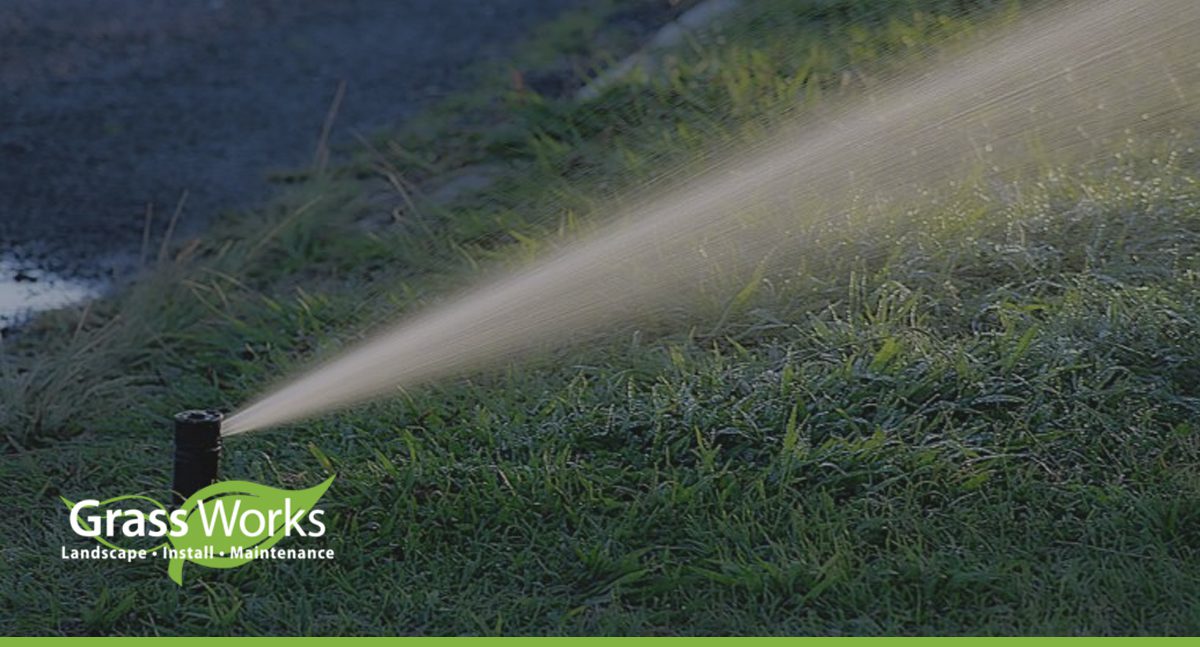
How does your irrigation/sprinkler system work? Learning about the various components in the system can help you spot early problems, upgrade your system, or find new ways to conserve water. Here’s an overview of the most common components in an outdoor sprinkler system.
| Component | Purpose / Description |
| Water Source | Supplies water to the irrigation system (usually municipal water or a private well). |
| Valve Box | Buried green box that houses the irrigation control valves. |
| Control Valves | Regulate water flow to different zones of the yard; operate on timer signals. |
| Timers | Tell each control valve when to open or close; automate watering schedules. |
| Master Valve | Safety valve that stops water flow when the system detects a malfunction. |
| Shut-Off Valve | Above-ground valve used to quickly stop water to the irrigation system (separate from home’s main shut-off). |
| Water Pump | Pushes water from the source through the system; maintains proper water pressure. |
| Backflow Preventer | Prevents contaminated sprinkler water from flowing backward into the home’s water supply. |
| Water Meter | Measures water usage per zone; helps evaluate efficiency and monitor overall home water usage. |
| Pipes & Risers | Network of piping that carries water to sprinkler heads; risers elevate water flow to the heads. |
| Sprinkler Heads | Deliver water to the lawn; various types available depending on lawn/garden needs. |
| Surface Irrigation | Common method where water saturates the soil via gravity. Includes flood irrigation and furrow irrigation. |
| Flood Irrigation | Evenly spreads water over a field; inexpensive but can cause runoff. |
| Furrow Irrigation | Channels water through rows; more even distribution but requires regular maintenance. |
| Sprinkler Irrigation | Simulates rainfall using rotating heads; ideal for large yards and adjustable for even coverage. |
The Water Source
Most people connect their irrigation system to a public water supply. If you don’t live in an area that offers municipal water, you might connect to a well. You’ll use whatever water source provides service to the rest of your home.
The Valve Box
You’ll rarely see this green box since it’s buried beneath the soil. It contains the valves that control your irrigation system.
The Control Valves
The control valves connect to the valve box, and each controls water flow to a different part of your yard. Timers control each control valve.
The Timers
Each timer tells its respective control valve to open or close. This is how the system controls the flow of water.
The Master Valve
When the system detects a malfunction, it will stop water flow by triggering this valve. This safety feature eliminates water waste in an emergency.
The Shut-Off Valve
You’ll find this valve above ground on your property to prevent freezing. It’s also separate from the main shut-off valve for your home’s water supply. When you have a problem with your sprinkler system, this valve gives you immediate control over the flow of water through the irrigation system.
The Water Pump
The pump moves water from the source through the system. It regulates the pressure of the water flow.
The Backflow Preventer
Backflow occurs when the water pressure is higher than the supply. The backflow preventer keeps sprinkler water from backing up to your home’s water supply. This important component ensures you’ll never have to worry about your sprinkler water and tap water mixing.
The Water Meter
Your irrigation system will have a separate water meter. It measures water usage in every zone to help you evaluate where your sprinklers are using the most water. It might also connect to your home’s main water meter. You can use this data to measure how your sprinkler system is affecting your household’s overall water usage.
The Pipes and Risers
This is the network that carries water from the source to the sprinkler heads. The pipes deliver water through the system to the designated sprinklers. Risers push the water up to the heads.
The Sprinkler Heads
There are several types of sprinkler heads. You’ll choose your sprinkler heads based on your specific lawn care or gardening needs.
Surface Irrigation
This is the most common type of sprinkler system. It involves saturating the soil based on gravity. The water flows from the sprinkler head and falls onto the soil. There are two types of surface irrigation:
Flood Irrigation
Water gets spread evenly across a field. It’s a cost-friendly method, but it can lead to excessive water runoff.
Furrow Irrigation
This method is more effective and ideal for gardens. While it delivers more even water distribution, the property owner must keep up with furrow maintenance to achieve the best effects.
Sprinkler Irrigation
These systems work to simulate real rainfall. Rotary sprinklers rotate to spread water to a larger area. They work well when irrigating larger yards. Adjustable spray patterns make it possible for more even coverage.
Grass Works Installs & Repairs Sprinkler Systems in the Austin Area and surrounding areas. Grass Works is licensed by the State of Texas: #LI19556.

Ferris MyCue is the founder and owner of Grass Works Lawn Care, LLC located in Leander, TX. As a former firefighter who maintained yards on his days off, he saw a need for a dependable, local maintenance company that knew the hill country climate and could deliver quality landscaping services for a reasonable price. Since 2007 he has used his leadership to grow the company into one of the top landscape maintenance companies in Austin and surrounding areas offering landscape maintenance, design, and irrigation services to both residential and commercial clients. Ferris is also a member of the Seasonal Employment Alliance (SEA) and an active participant in advocacy efforts to help promote cap relief.